: South Africa's Economy Shows Tentative August Recovery After Tough Second Quarter
South Africa's economy showed tentative signs of recovery in August, though rising oil prices threaten to complicate the outlook.

South Africa's Economy Shows Tentative August Recovery After Tough Second Quarter
South Africa's economic activity ticked higher in August 2026, offering a cautious signal of recovery after a difficult second quarter in which GDP contracted for the first time in nearly two years. But economists warn the improvement remains fragile, with renewed pressure from international oil prices threatening to derail momentum heading into the final months of the year.
What Happened
National payments utility PayInc's Economic Index rose 0.8% month-on-month to 103.8 points in August 2026, building on an upwardly revised 0.6% increase in July (previously reported as 0.3%). The index, which tracks the value of electronic transactions cleared through PayInc alongside a wholesale cash component, was 2.7% higher than a year earlier.
The improvement follows a challenging second quarter in which GDP contracted for the first time since the third quarter of 2024, with weakness concentrated in trade, manufacturing and mining, according to Statistics South Africa. Independent economist Elize Kruger described the July and August improvement as encouraging, suggesting the economy could return to growth in the third quarter — though probably at a moderate pace. She cautioned, however, that the economy remains far from out of the woods, citing renewed fuel price pressures and continued uncertainty as downside risks that tend to make businesses more cautious about investment, spending and hiring.
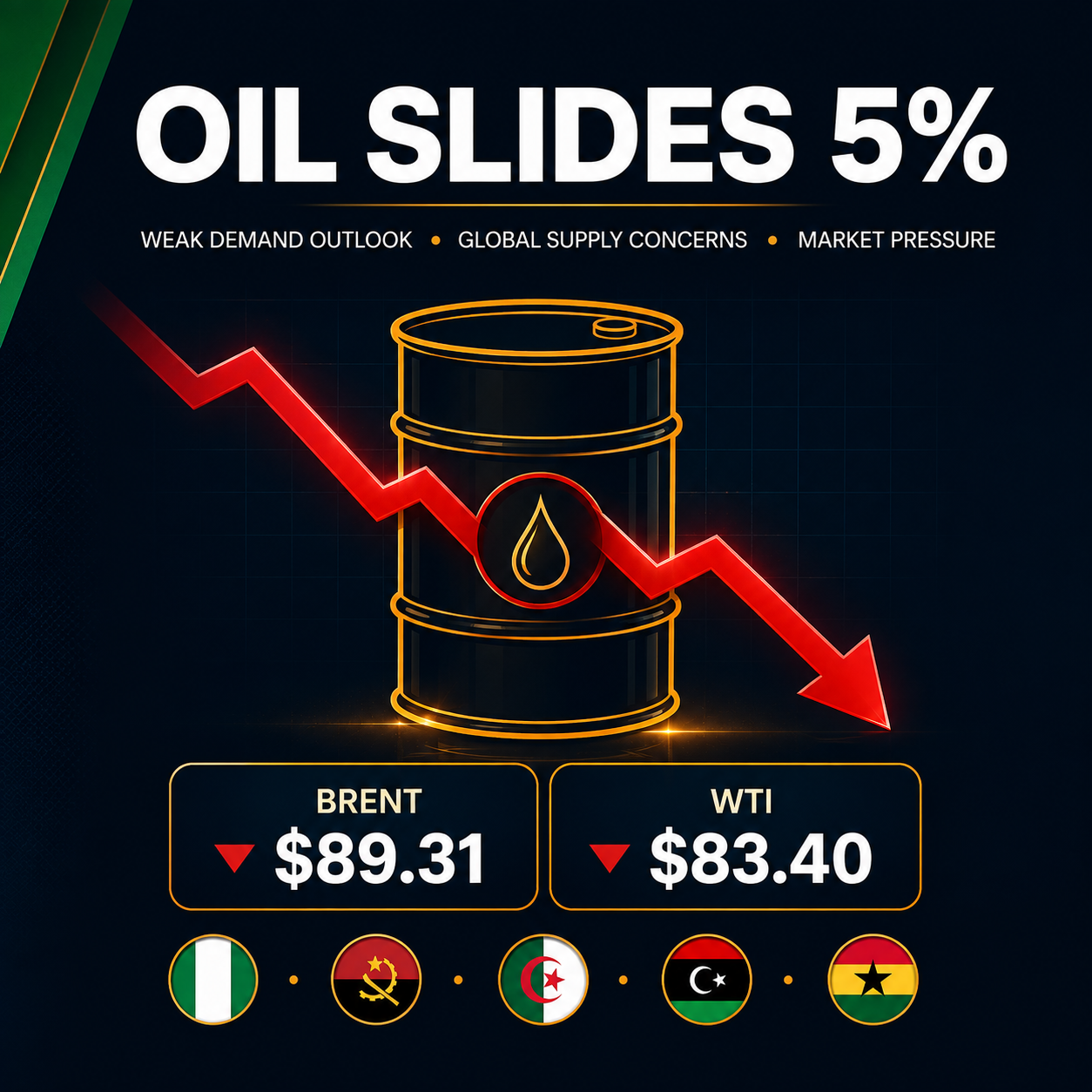
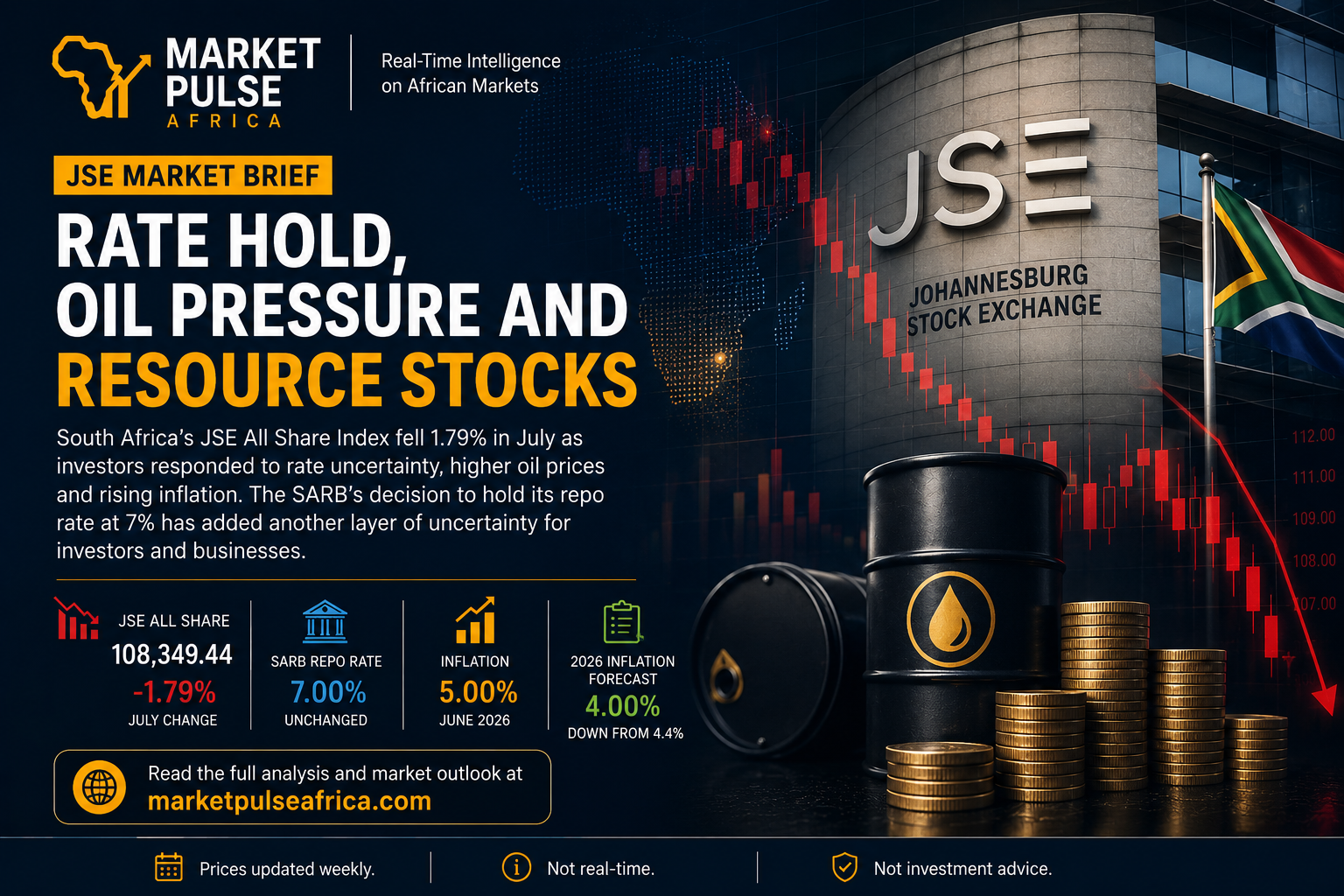
Complicating the picture, renewed tensions in the Middle East have pushed international oil prices back to around $107 per barrel, raising the prospect of a significant increase in South African domestic fuel prices in October. That dynamic sets up a difficult decision for the South African Reserve Bank's monetary policy committee, which meets next week to weigh elevated inflation risks from fuel costs against a still-fragile growth outlook.
Historical Context
South Africa's economy has spent much of 2026 navigating the fallout from global oil price volatility tied to the conflict involving the US, Israel and Iran. Fuel price shocks earlier in the year — including a cumulative increase of several rand per litre in petrol and diesel prices — weighed heavily on consumer spending and business confidence, contributing to the second-quarter GDP contraction. The recent stabilisation in the PayInc index suggests some of that pressure has eased, at least temporarily, even as new geopolitical risks re-emerge.
Why It Matters for Africa
As the continent's most industrialised economy and a key node in regional trade and investment flows, South Africa's growth trajectory has ripple effects well beyond its own borders — influencing everything from regional supply chains to investor sentiment toward Southern African Development Community markets more broadly. A weaker-than-expected South African economy also complicates fiscal planning for a government already managing tight budget constraints, while renewed fuel price pressure disproportionately affects lower-income households and small businesses across the region that depend on South African imports and logistics networks.
Market Data & Key Numbers
Metric | Figure |
|---|---|
PayInc Economic Index, August 2026 | 103.8 points, +0.8% m/m |
PayInc Economic Index, July 2026 (revised) | +0.6% m/m (previously +0.3%) |
Year-on-year improvement | +2.7% |
Q2 2026 GDP | Contracted (first contraction since Q3 2024) |
International oil price (Sept 2026) | ~$107/barrel |
SARB policy meeting | Next week (following Sept 16 report) |
What Businesses and Investors Should Watch
The SARB's interest rate decision, due to weigh fuel-driven inflation risk against a fragile growth recovery.
October fuel price adjustments, given the renewed rise in international oil prices.
Q3 GDP data, which will confirm whether the tentative recovery translates into positive quarterly growth.
Business investment and hiring indicators, which tend to lag confidence shifts by a quarter or more.
Practical Guide: Key Takeaways
For Businesses
Factor potential October fuel price increases into cost planning, particularly for transport and logistics-intensive operations.
Monitor SARB commentary closely, as the rate decision will shape borrowing costs into year-end.
For Investors
Treat the August uptick as tentative rather than confirmed, given economists' own caution about downside risks.
Watch JSE-listed consumer and retail names for early signals of how households are responding to the mixed economic picture.
For General Readers
Understand that a monthly payments index improving does not guarantee a return to GDP growth — it is one early indicator among several.
Fuel price movements tied to Middle East geopolitics remain a key swing factor for South African household budgets through year-end.
How MarketPulse Africa Helps
South Africa's economic data releases are closely watched across the continent given the country's outsized role in regional trade and finance. MarketPulse Africa tracks these indicators alongside central bank policy decisions, and our economic coverage helps readers understand how South African trends connect to broader African market conditions.
Conclusion
South Africa's tentative August recovery offers a glimmer of stability after a rough second quarter, but the renewed climb in international oil prices means the outlook remains genuinely uncertain heading into the SARB's next rate decision. Whether this becomes a sustained recovery or another false dawn will become clearer with third-quarter GDP data. Follow MarketPulse Africa for continued coverage of South Africa's economic trajectory and its implications for the region.