South Africa MTBPS Preview: A R50bn–R70bn Tax Windfall Meets Weak Growth
South Africa MTBPS preview: economists see a R50bn to R70bn tax windfall from gold and mining, but weak growth and oil costs put spending under pressure.
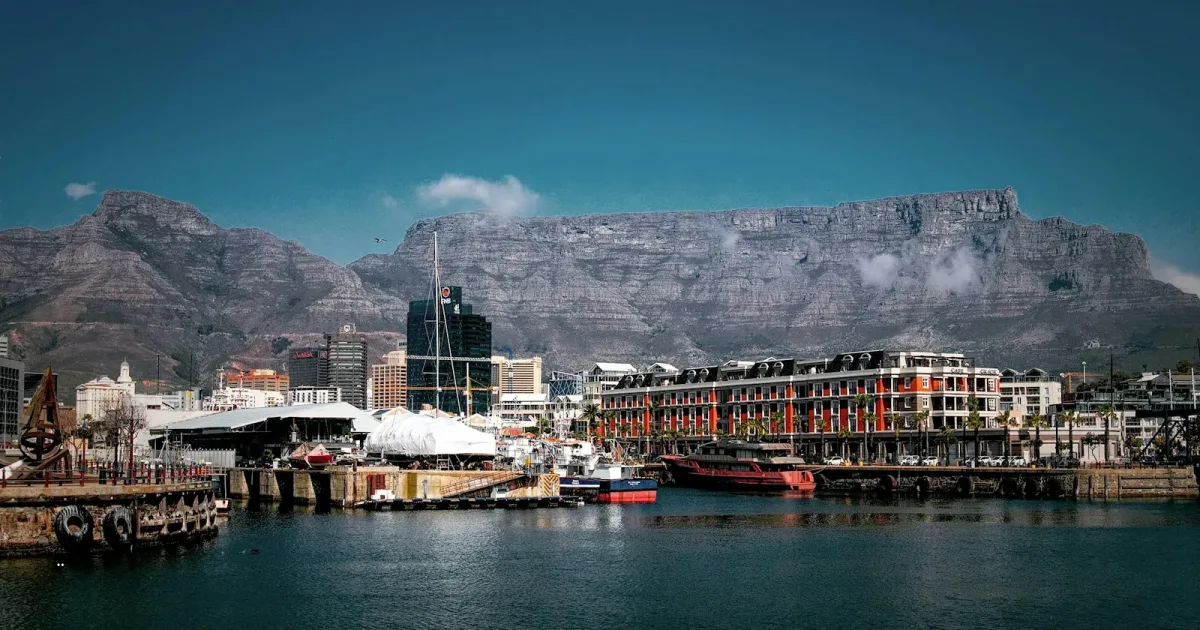
South Africa's Medium-Term Budget Policy Statement (MTBPS) lands on Wednesday, 21 October, with Finance Minister Enoch Godongwana holding a stronger hand on revenue than he had in February. Economists expect the South Africa MTBPS to show a tax overrun of R50 billion to R70 billion, driven largely by gold and precious metals. The harder question is spending, because growth has stalled and an oil shock is pushing up costs.
Markets are calm going in. The rand traded at 16.4475 to the dollar early on Monday, about 0.2% firmer than its previous close, and the benchmark 2035 government bond yield was little changed at 8.7%, Reuters reported via CNBC Africa.
What the South Africa MTBPS is expected to show on revenue
The estimates of the windfall vary, but they all point the same way.
- Bank of America economists Tatonga Rusike and Merveille Paja wrote that "2026/27 revenue could exceed budget assumptions by R70bn", mainly from corporate tax paid by gold and precious metals producers, Business Day reported.
- Johann Els, chief economist at PSG Financial Services, puts the tax overrun at R50 billion or more, with gains from mining, personal income tax and VAT, according to EWN.
- Anchor Capital notes that corporate income tax rose 18.5% year on year in August and more than 20% in the financial year to date, while domestic VAT grew about 8% against the 4.5% the February budget assumed, IOL reported.
Anchor also points out that August's R29 billion fiscal deficit was the smallest for that month in eight years. Econometrix chief economist Azar Jammine told EWN that higher platinum and gold prices have helped the state and given it some leeway, but that the focus will be on how any surplus is spent.
The deficit picture depends on who is counting
Forecasts for the budget deficit differ partly because analysts are measuring against different baselines.
Els expects the deficit to narrow to about 3.5% of GDP in the current financial year, from the 4% projected in February, with the primary surplus rising to about 1.9% of GDP from 1.4%. Bank of America also forecasts 3.5% for 2026/27, against what it describes as the government's 3.7% target, and sees 3.0% in an upside case where spending is contained.
Investec chief economist Annabel Bishop is more cautious. In her MTBPS preview, she notes a preliminary deficit of R189 billion over the first five months of 2026/27, well above the five-twelfths benchmark of R125 billion. Revenue of R812 billion was below its R868 billion benchmark, while spending of R1,001 billion was above its R993 billion mark. She expects the full-year deficit to stay near 4.0% of GDP, with a risk of 4.1%.
"The fiscal trajectory has been one of slippage, but revenue flows are also uneven between months," Bishop wrote.
Weak growth and an oil shock
The revenue story sits on top of a soft economy. Real GDP contracted 0.2% in the second quarter of 2026, ending six straight quarters of growth, and annual growth slowed to 0.9% from 1.9% in the first quarter, according to Anchor Capital's Dr Lerato Ntuli, quoted by IOL. She expects Treasury to cut its growth forecasts.
Oil is the other pressure. Citing the IMF, Anchor expects crude to average about $96 a barrel in 2026, roughly 41% above 2025. That feeds into transport and production costs and into inflation. Headline inflation rose to 4.4% in August, and the South African Reserve Bank raised the repo rate by 25 basis points to 7.25% in September. For more on how the oil price is splitting African economies into winners and losers, see our analysis of Brent at $110.
Fuel levy collections were about 15% lower year on year in August, Ntuli said, reflecting levy relief and weaker demand. She warned that "much of the revenue outperformance appears cyclical rather than structural, while expenditure pressures are building."
Spending items to watch
- The Social Relief of Distress grant expires in March 2027. Ntuli wants Treasury to explain how any successor would be paid for.
- Provincial service delivery costs are rising, and Bishop says spending is already running ahead of the year-to-date benchmark.
- Debt-service costs have grown more slowly than expected, but higher interest rates could reverse that. Els noted debt service was budgeted at R420.6 billion for 2025/26, about 21% of revenue.
- Electricity transmission plans call for about 14,500km of new lines by 2034 at roughly R440 billion, Els said.
"Temporary supply shocks should not lead to permanent increases in expenditure or weaken the fiscal position," Ntuli said.
Debt and the ratings question
Bank of America expects gross debt to fall to 77% of GDP in 2026/27 from 79% a year earlier. Investec cites a projected debt ratio of 77.3% this year, 77.0% next year and 76.5% the year after. Treasury has already secured about 60% of its 2026/27 financing need after five months, and its external funding programme is effectively complete, Bank of America said.
That matters for the credit ratings. Moody's and S&P are due to update their views in late November and Fitch in December. Bank of America sees Moody's as the agency most likely to act, with a possible upgrade to Ba1, and calls an S&P move to BB+ "a closer call". Fitch upgraded South Africa to BB with a stable outlook in June 2026, and the bank thinks a further step to BB+ could come in 2027.
What else lands on Wednesday
Statistics South Africa releases September consumer inflation and August retail sales on the same day as the statement. Nedbank expects headline inflation to rise to 4.8% from 4.4%, and retail sales growth to slow to 2.5% from 3.4%, according to the Reuters report. A higher inflation print alongside the budget could move bond yields and the rand more than the fiscal numbers alone.
What investors should watch
- How much of the windfall Treasury carries into future years. Els warned it is unlikely to bank the full amount in its projections.
- The revised growth forecast, after the second-quarter contraction.
- Any new spending commitments, including a replacement for the SRD grant.
- The debt path, which feeds directly into the November ratings reviews.
If Godongwana keeps spending in check and shows debt falling, the case for a ratings upgrade gets stronger. If the windfall is spent, the mini-budget could look better on Wednesday than it does a year from now.