Brent Crude Tops $116, a Six-Month High: What It Means for Nigeria, Angola, Kenya and Africa's Oil Importers
Brent crude topped $116 a barrel on 23 October after Houthi attacks on Saudi Arabia. What the six-month high means for African exporters, importers and FX.
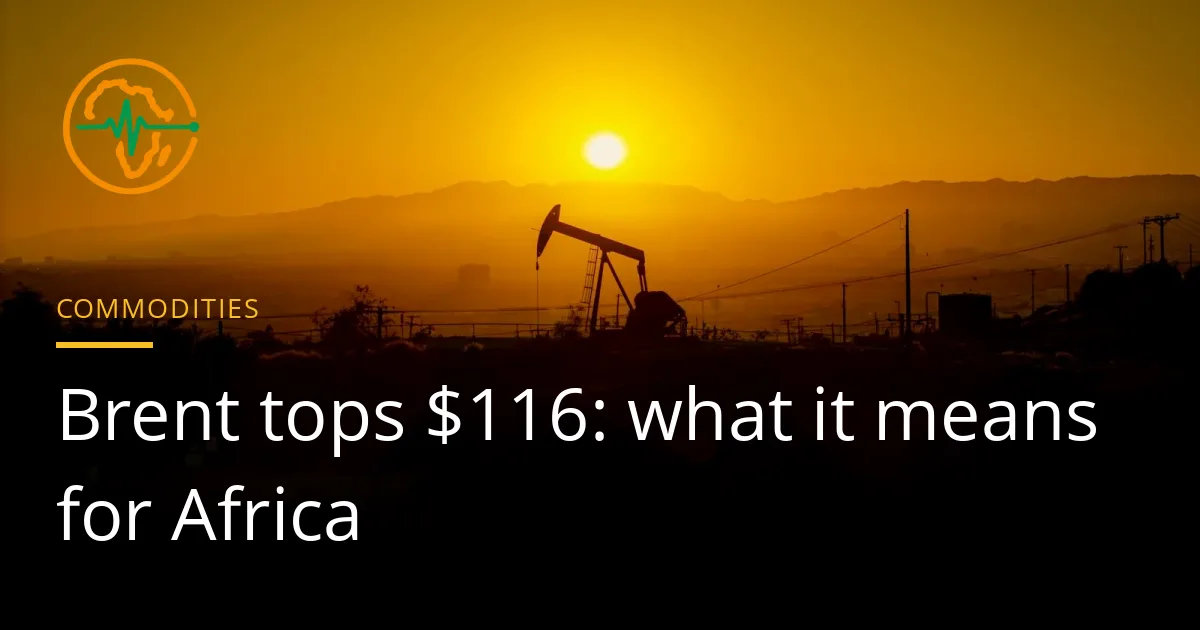
Brent crude rose above $116 a barrel on Friday, 23 October, its highest level in about six months, as attacks by Yemen's Houthis on Saudi Arabia raised fears for Gulf oil supply. Fortune recorded Brent at $116.03 at 7:15 a.m. US Eastern time, up 2.49% from the previous morning and 16.6% higher than a month earlier.
The move came after Brent settled at $113.17 on Thursday, up 4%, its highest close since 4 May, according to Reuters. For Africa the price is a double-edged number: welcome revenue for oil exporters, a heavier import bill and more pressure on currencies for everyone else.
Why Brent crude jumped
Reuters and other outlets point to three drivers this week:
- Houthi attacks on Saudi Arabia. Saudi Aramco ordered the evacuation of its Dhahran headquarters on Thursday as fighting intensified, Reuters reported, with the Houthis pushing towards the Bab el-Mandeb strait. Profile News noted that the reports it reviewed did not confirm any halt to Saudi output or exports.
- Libyan supply losses. The head of Libya's National Oil Corporation told Reuters that a pipeline valve linking the Hamada and Tahara fields to Zawiya port had been shut, cutting output at both fields. No volume was given.
- Falling US stocks. US commercial crude inventories fell by about 3.06 million barrels to roughly 412.52 million in the week to 16 October, according to the US Energy Information Administration.
ING analysts said markets are "increasingly worried about renewed escalation in the Persian Gulf." Linh Tran of XS.com said the key questions are "the extent of actual disruption" and how long it takes to restore operations.
How far Brent has come
| Reference point | Brent price | Source |
|---|---|---|
| 23 Oct 2026, 7:15 a.m. ET | $116.03 | Fortune |
| 22 Oct 2026 settlement | $113.17 | Reuters |
| One month earlier | $99.51 | Fortune |
| One year earlier | $66.05 | Fortune |
| Nigeria's 2026 budget benchmark | $64.85 | Nairametrics |
Brent is about 76% higher than a year ago, by Fortune's figures.
Winners: Africa's oil exporters
For Nigeria, the gap between the market price and the budget is large. The 2026 budget assumed $64.85 a barrel, according to Nairametrics. Every month Brent stays above $110 adds revenue on paper, but the benefit depends on how many barrels Nigeria actually produces and sells, and on how much of that oil is pre-sold or tied to loans.
Angola, the Republic of Congo, Gabon and Equatorial Guinea are in a similar position, with oil as their main export. Libya is the odd one out: it would benefit from higher prices, but the same week brought fresh supply disruptions at home.
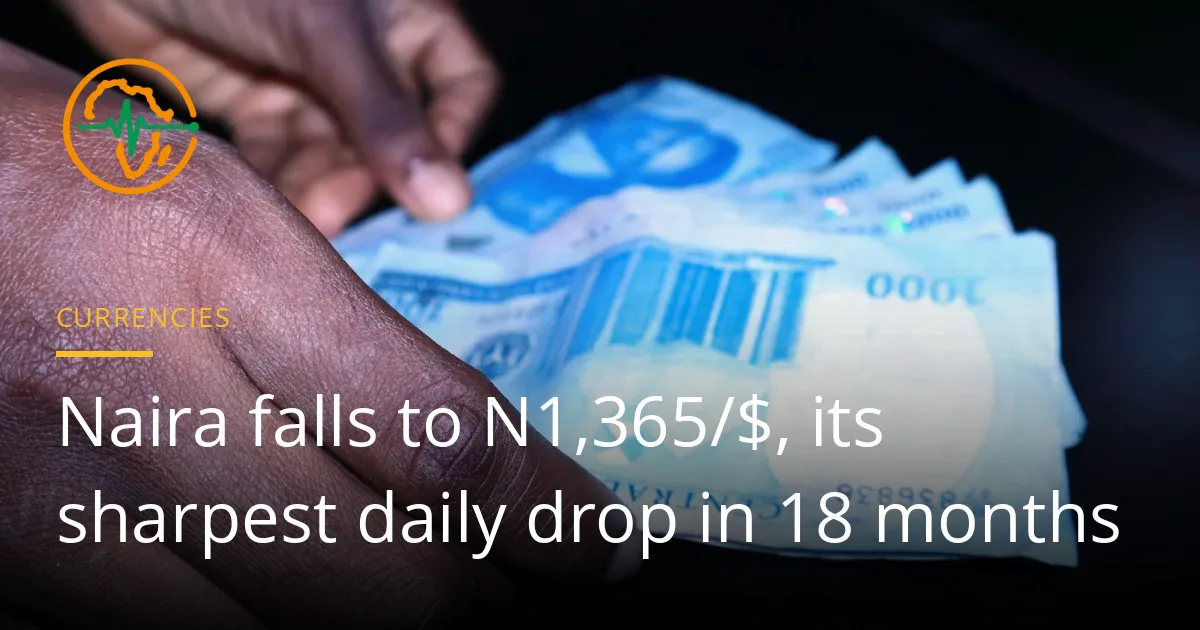
Higher crude prices do not automatically strengthen exporters' currencies. The naira weakened to N1,365 per dollar this week, its sharpest daily fall in 18 months, as we reported in our story on the naira exchange rate. Dollar demand at home can outweigh extra oil receipts for weeks.
Losers: importers and their currencies
For countries that buy most of their fuel abroad, such as Kenya, Uganda, Ethiopia, Tanzania and most of francophone West Africa, the effects run the other way:
- Bigger import bills mean more demand for dollars and more pressure on exchange rates. Uganda's shilling hit a record low near Shs4,250 to the dollar this week.
- Pump prices follow crude with a lag through monthly reviews, which feeds transport costs and inflation.
- Subsidy costs rise wherever governments cap fuel prices, adding strain to budgets already tight on debt service.
Nigeria sits in both camps. It earns dollars from crude but still imports some refined products, although Dangote Refinery's output has reduced that dependence.
What to watch next week
- Whether Saudi output or exports are actually affected, which would decide whether the risk premium holds.
- Libyan production updates from the National Oil Corporation.
- November pump price reviews in Kenya and other importers.
- Any OPEC+ response to prices above $110.
Prices quoted are intraday or settlement figures from the named sources; Friday's settlement had not been published when this article went live.