Entrepreneurs eye new growth opportunities at Arewa Business Festival
About 500 entrepreneurs are set to exhibit at the Arewa Business Festival. Here is what the event offers small businesses, how it links to northern Nigeria's economy, and what to verify before attending.
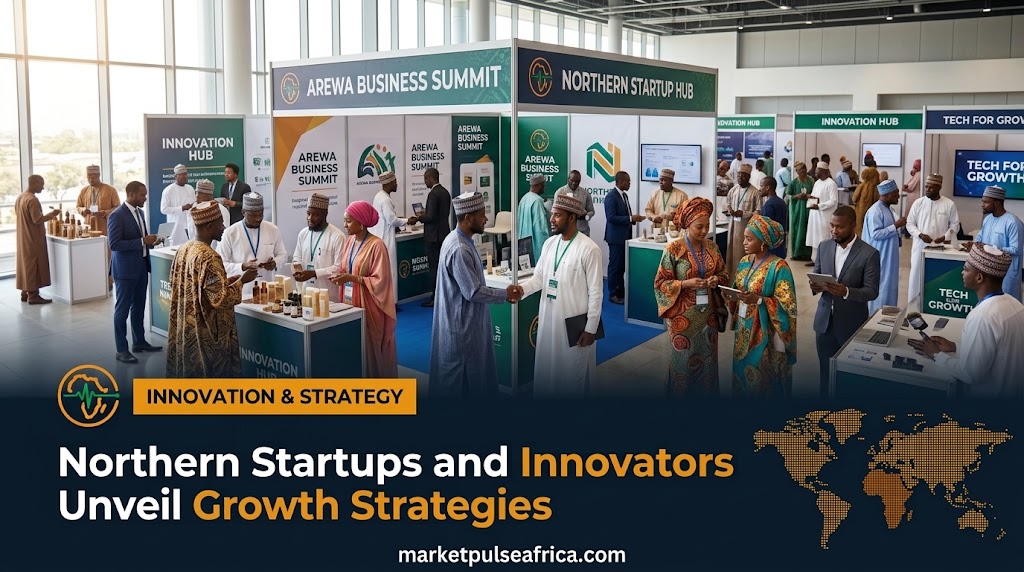
Entrepreneurs from across Nigeria are preparing to show their products at the Arewa Business Festival, a trade and entrepreneurship event organized by Global Entrepreneurship Network (GEN) Nigeria with Tripoint Travels, and the organizers expect about 500 exhibitors. The festival is positioned as a marketplace for Nigerian-made goods, a place where small businesses can meet buyers, and a platform to connect entrepreneurs with investors and development partners. Its organizers describe it as the flagship entrepreneurship event of Global Entrepreneurship Week in Nigeria. The model is ambitious: the festival is run across all 19 northern states and moves to a single convening location every other year. For small businesses, the appeal is access to new customers and new partners. For investors and market watchers, the festival offers a view of the consumer goods, agriculture and creative sectors that drive economic activity in northern Nigeria. This article explains what the event is, what organizers are promising, and what to watch before judging whether it will deliver.
Contents
- What the Arewa Business Festival is
- Who is exhibiting and what they will show
- The growth opportunities on offer
- Why the northern economy matters
- What to watch before judging the outcome
- Related Reading
What the Arewa Business Festival is
The Arewa Business Festival is a flagship entrepreneurship event in Nigeria. Its partners describe it as part of Global Entrepreneurship Week, a worldwide campaign that promotes entrepreneurship. The organizers say the festival is built around exhibitions, where entrepreneurs display their products and sell directly to visitors, along with networking sessions and panels.
The convener, Shuhda Muhammed, who also serves as CEO of Tripoint Academy, has described the festival as a way to revive the commercial heritage of northern Nigeria. She has framed the event around historic trade routes and traditional markets that once connected the region to wider West and North African commerce. The festival's stated aim is to create modern opportunities on the same foundations, bringing together women entrepreneurs, small and medium enterprises, artisans, food vendors, creatives and young innovators.
The partnership with GEN Nigeria matters because it links local businesses to a global network. The organizers say that connection gives Nigerian businesses a pathway to international opportunities that would be harder to reach alone.
Who is exhibiting and what they will show
According to the organizers' latest statement, about 500 entrepreneurs are expected to exhibit at the festival, with a focus on products made in Nigeria. That makes it one of the larger gatherings of small businesses in the country's calendar, though the organizers have not published a breakdown by sector or by state.
The festival's program has covered a wide range of activities in past editions. Organizers have described trade exhibitions, cultural showcases, fashion presentations, food tourism activities, entrepreneurship masterclasses, youth innovation programs, art exhibitions and literacy engagements. The mix reflects the festival's view that entrepreneurship in the north is closely tied to culture, tourism and the creative economy, not only to manufacturing or trade.
Food is a notable part of the picture. Reports from earlier editions mention a major consumer goods company supporting food entrepreneurs with prizes and financial backing. For investors, food-processing and consumer brands are a sector to watch, because they often sit at the point where local production meets national and regional demand.
The growth opportunities on offer
The growth case for the festival rests on three things: market access, networks and exposure. Market access means direct sales to visitors and the chance to find buyers beyond a single town. Networks mean meeting potential partners, distributors, suppliers and investors in one place. Exposure means appearing before a wider audience of consumers, media and development agencies.
For a small business, a festival of this size can be a useful sales channel. Entrepreneurs who sell at events often gain customers who then return through social media, online stores or wholesale orders. The festival's organizers have also promoted export readiness, pointing to the potential for regionally made goods to reach neighboring countries. That is an ambitious goal, but it depends on product quality, packaging, pricing and logistics as much as on the event itself.
Investors and development partners also have a role. The festival's model depends on partnerships with state governments, development organizations, technology providers and corporate sponsors. Digital partners have said they want to give northern entrepreneurs access to digital tools, which could help small businesses take orders online, manage payments and reach customers beyond the venue.
Why the northern economy matters
Northern Nigeria has a large population, a long history of trade and a strong base in agriculture. Its markets have traditionally connected cities across West Africa and the Sahel. Organizers argue that these strengths have been under-used in formal business and investment, and that events like the festival can help bring entrepreneurs into the wider economy.
The stakes go beyond any single festival. Youth employment is one of the biggest challenges facing Nigeria, and a large share of new jobs in the country come from small businesses. If events like this help entrepreneurs grow from informal activity into registered firms, they could contribute to tax revenue, supply chains and local jobs. That is the case organizers are making, and it is one worth testing with data over time.
What to watch before judging the outcome
A festival's success should be judged by what happens after it ends. A few measures would show whether the Arewa Business Festival is delivering real growth for participants.
The first is sales. Organizers can publish the number of exhibitors, the value of sales recorded during the event and the share of participants who report higher sales in the months that follow. The second is follow-on business: how many exhibitors signed distribution deals, supply contracts or investment talks. The third is repeat participation: whether entrepreneurs return, and whether they bring their own staff or new products.
Some of these measures are hard to verify. Festival attendance figures are often estimates, and press reports can differ from organizers' statements. Readers should treat headline numbers as claims until they are backed by the organizers' own records or by independent reporting.
There is also a location question. Earlier coverage of the festival described its first edition as running across northern states, with a major event in Kano. The latest preview describes an upcoming edition in Abuja, which the organizers say will be the next convening point in the festival's rotating model. Participants and investors planning to attend should confirm dates, venues and registration details directly with the organizers before making travel or investment decisions.
Related Reading
For more on the economic conditions behind small business growth, read our full coverage of Côte d'Ivoire's foreign direct investment inflows in 2025, which shows how capital is flowing into one of West Africa's growing economies. You can also read our coverage of Ghana's food exports, which shows how agricultural trade contributes to the wider economy.
Are you an entrepreneur planning to exhibit, or an investor watching the northern economy? Share your view in the comments, and keep following MarketPulse Africa for coverage of the businesses and markets shaping Africa's growth.